

SUSTAINABILITY
Practical waste reduction starts with seeing the streams clearly.
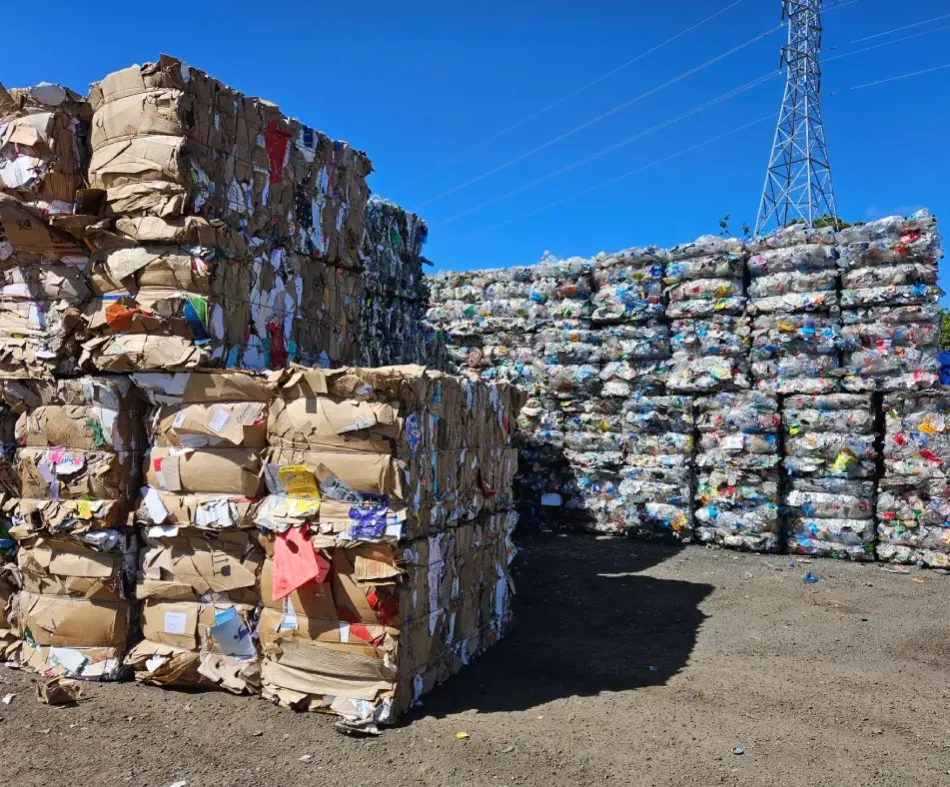
SUSTAINABILITY IN PRACTICE
A simple path from visibility to improvement.
Start by understanding the current waste system, then make practical changes and keep reviewing what works.
1
Understand
See what is in each stream.
2
Improve
Adjust bins, signage and collections.
3
Verify
Know what happens after collection.
4
Refine
Keep the setup useful as the site changes.
WASTE & SUSTAINABILITY AUDITS
See what is actually in your waste streams.
A waste and sustainability audit can show what is being disposed of, where recyclable material is being lost and where contamination is affecting recycling streams.
Depending on the agreed audit scope, waste and recycling streams can be collected or reviewed, sorted and documented to identify patterns and practical opportunities for improvement. Findings can then be presented with photographs, observations and recommendations relevant to the site.
Why this matters
The useful outcome is not the audit itself. It is knowing what should change next — and having evidence to support that decision.
Typical audit workflow
1
Collect & review
Agree the streams, site and audit scope.
2
Sort & document
Review material, contamination and stream use.
3
Identify patterns
Find recurring issues and recoverable material.
4
Report findings
Use notes, photographs and practical observations.
5
Recommend improvements
Focus on changes that make sense for the site.
AFTER COLLECTION
Know the process — or come and see it.
Recycling visibility is part of a practical sustainability approach. Use the detailed process page when you want the explanation, or visit the facility when you want to see it first-hand.
RECYCLING INTEGRITY
Understand what happens after collection.
See how recycling handled through our West Auckland facility is sorted, how contamination becomes visible and how material streams are managed.
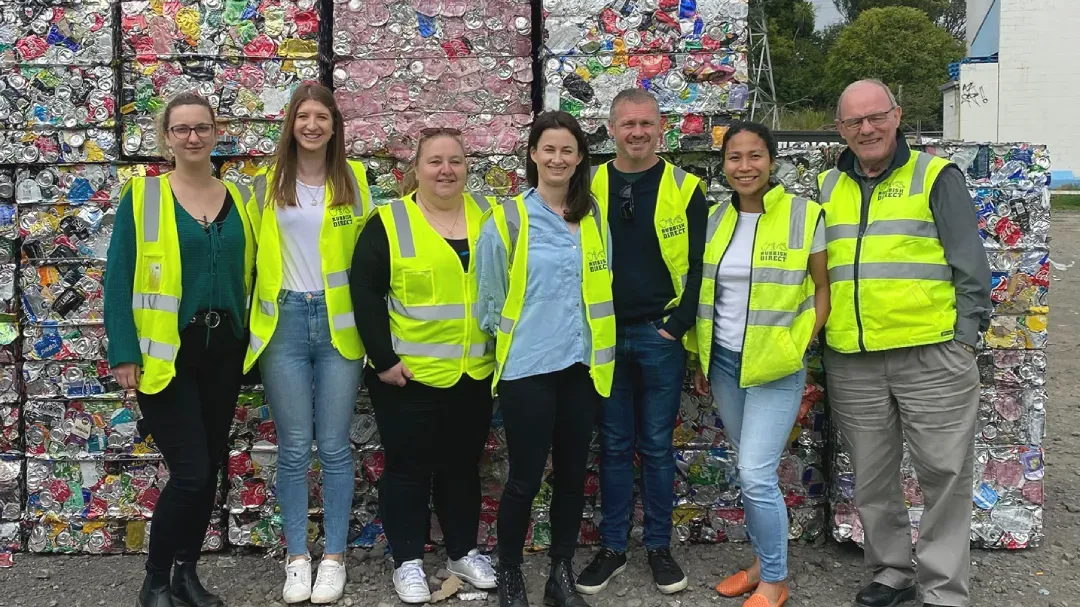
FACILITY TOUR
See the process for yourself.
Customers and prospective customers can visit our West Auckland facility and see the recycling operation and sorting process first-hand.
FROM FINDINGS TO ACTION
Turn the findings into practical changes.
Sustainable waste services are most useful when the findings lead to practical changes. Depending on the site, improvement may involve clearer waste streams, better bin placement, simpler signage, collection-frequency changes or helping staff and users understand the system.
STREAMS
Separate what matters
Review which streams make sense for the waste actually being generated at the site.
PLACEMENT
Put bins where people use them
Make disposal choices easier by matching bin placement to real movement and work areas.
SIGNAGE
Make the choice clearer
Use practical signs and labels to reduce confusion and support better separation.
COLLECTIONS
Match service to volume
Review collection frequency and service setup as volumes or site needs change.
CONTAMINATION
Find recurring problems
Use contamination observations to focus attention where the system is breaking down.
EDUCATION
Help people use the system
Support staff, residents or site users with clearer guidance where behaviour is affecting outcomes.
PROOF FROM REAL SITES
See how this works in real sites.
Customer stories show how recycling visibility and practical service improvements work in real operating environments.

FACILITY TRANSPARENCY
Cordis Auckland
A transparency-focused example showing how facility access can give customers greater confidence in the recycling process.
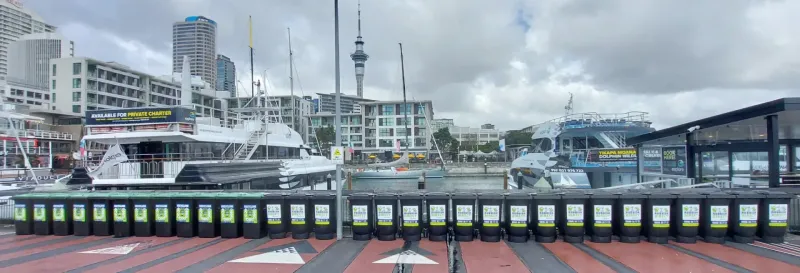
CONTAMINATION & SORTING
Fullers 360
A practical example of managing public-use recycling where contamination makes sorting and visibility important.
MORE CUSTOMER PROOF
Explore more real-site examples
Browse more customer stories across recycling confidence, service improvement, site access and operational performance.
Want to understand your waste streams?
Start with a practical review of your current setup, or come and see our recycling process for yourself.